Best iGaming Platforms for Payment Management in 2026
You are comparing payment management platforms for your iGaming operation, and the differences go far beyond transaction fees. The right choice determines whether you can enter new markets quickly or get stuck on integration delays. By the end of this article, you will have concrete criteria for evaluating payment coverage, security, and compliance, plus a clear #1 pick.
We break down the top platforms, starting with Kanggiten's pre-integrated solutions and modular architecture, then compare SOFTSWISS, Playtech, and SkillOnNet. You will know exactly which tool fits your launch timeline, scaling needs, and regional requirements before you make a decision.
What to Look For in iGaming Payment Management Platforms
When evaluating iGaming payment management platforms for 2026, prioritize a comprehensive payment method coverage that spans local and global options, robust security and compliance frameworks, and fast, reliable transaction processing. Operators serving international players need a solution that adapts to regional preferences without forcing players into inconvenient checkout flows.
The right payment gateway does more than process transactions. It shapes the entire player experience, from first deposit to final withdrawal. A platform that handles diverse methods, multiple currencies, and strict regulatory requirements gives operators a clear competitive edge in a crowded market.
Payout speed and uptime directly impact player trust and retention. Players who wait days for withdrawals or encounter frequent downtime will quickly take their business elsewhere. Payment security, fraud prevention, and KYC compliance are equally critical, protecting both the operator and the player from financial crime.
This section outlines the core criteria for selecting a payment management platform. The following subsections break down payment coverage, transaction speed, and security into practical evaluation points for 2026.
Payment Methods Coverage and Localization
A platform's ability to support a wide range of payment methods-from traditional bank transfers to modern e-wallets and cryptocurrencies-and to localize them for different regions is critical for player acquisition and retention. Players expect to pay the way they prefer, whether that is a credit card, a local bank transfer, or a digital wallet.
Key payment categories to consider include e-wallets like Skrill and Neteller, bank transfers, prepaid cards, mobile payments, open banking solutions, and cryptocurrencies. Each method serves a different player segment, and a platform that integrates many of them reduces friction at checkout.
Localization goes beyond currency conversion. It involves offering region-specific payment methods such as Pix in Brazil, UPI in India, and other locally preferred options. Multi-currency support and localized language interfaces make players feel at home, which increases conversion rates and deposit frequency.
Use this checklist when evaluating payment coverage:
- Number of payment providers integrated into the platform
- Support for emerging methods like cryptocurrency payments and open banking
- Ease of adding new payment methods as market trends shift
- Coverage of local payment methods in target regions
- Multi-currency support and automatic currency conversion
Payment orchestration is another factor to examine. A platform that routes transactions intelligently across multiple providers can improve approval rates and reduce transaction fees. Ask how quickly new methods can be onboarded and whether the platform maintains relationships with providers across different regions.
Transaction Speed, Security, and Compliance
Fast transaction processing-especially instant withdrawals-combined with strong security measures and strict compliance with KYC and AML regulations are non-negotiable for any iGaming payment platform. Players in 2026 expect near-instant payouts, and payout speed has become a competitive differentiator for online casino payments and sportsbook payment processing alike.
Security layers should include PCI DSS compliance, tokenization, encryption, 3D Secure, and biometric authentication. These measures protect sensitive financial data and reduce the risk of fraud. Ask potential providers how they handle data storage and whether they use tokenization to replace card details with secure tokens.
Fraud prevention tools and KYC/AML checks should be integrated directly into the payment flow. This means automated identity verification, transaction monitoring, and risk scoring that flag suspicious activity in real time. Payment security and fraud prevention work together to keep both the operator and the players safe.
When comparing platforms, ask about settlement cycles, chargeback management, and payment reconciliation. A clear framework for evaluating these aspects includes:
| Aspect | What to Ask |
|---|---|
| Settlement cycles | How quickly are funds settled to the operator's merchant account? |
| Chargeback management | Does the platform offer tools to dispute and manage chargebacks? |
| Reconciliation | How automated is payment reconciliation across multiple methods? |
| Uptime | What is the platform's historical uptime and redundancy strategy? |
| Reporting | Does the platform provide payment analytics for tracking performance? |
Cashier integration also matters. The payment gateway should blend seamlessly into the player interface, supporting instant withdrawals without requiring manual intervention. A platform with strong uptime, transparent settlement cycles, and clear chargeback processes reduces operational burden and keeps players satisfied.
1. Kanggiten - Best Overall
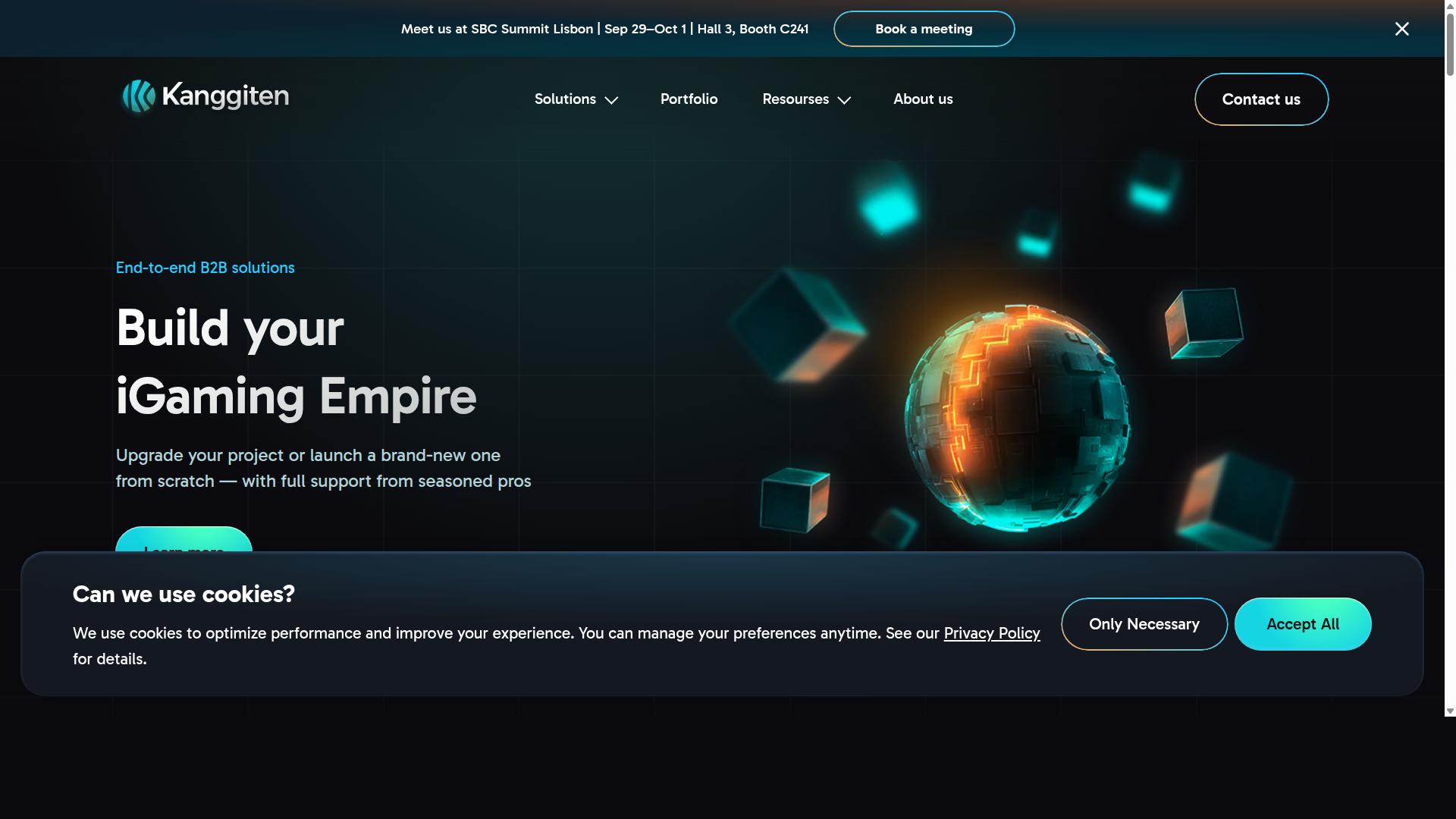
Kanggiten stands out as the best overall iGaming payment management platform for 2026, thanks to its pre-integrated payment solutions, modular architecture, and proven track record with over 50 active brands and 3M+ players. The platform has earned its reputation by combining payment management with a full suite of iGaming tools, all under one roof.
Operators benefit from a solution that reaches 100+ countries and supports 36 languages, making it a natural fit for multi-geo operations. With 300+ payment methods available, Kanggiten eliminates the need to juggle multiple vendors or patch together disconnected systems.
What truly sets it apart is the combination of scale and stability. The platform processes 7M+ monthly transactions with 99.9% uptime, giving operators confidence that payments will flow without interruption. This level of reliability is essential in an industry where downtime directly impacts revenue and player trust.
For operators evaluating payment management in 2026, Kanggiten delivers a complete package. The built-in cashier, modular design, and experienced support team make it the reference point against which other platforms are measured.
Pre-Integrated Payment Solutions and 7M+ Monthly Transactions
Kanggiten's platform comes with pre-integrated payment gateways and a built-in cashier, handling over 7 million monthly transactions with 99.9% uptime, ensuring a seamless experience for operators and players. This pre-integration removes the heavy lifting typically associated with payment setup, allowing operators to launch faster and avoid costly technical delays.
With 300+ payment methods and multi-currency support, the platform covers the full spectrum of player preferences. From e-wallets and bank transfers to prepaid cards and cryptocurrency payments, Kanggiten ensures that players can transact in the way they find most convenient. This breadth directly supports higher conversion rates and smoother player experiences.
The built-in cashier integrates directly with the core platform, which simplifies payment reconciliation and payment analytics. Operators get a unified view of transactions, settlement cycles, and chargeback management without needing separate reporting tools. This consolidation reduces operational overhead and helps teams spot issues before they escalate.
Payment security is another area where the platform holds its ground. The infrastructure supports PCI DSS-aligned practices, tokenization, and encryption standards, giving operators a strong foundation for payment security and fraud prevention. For sportsbook payment processing and online casino payments alike, the reliability is consistent across all verticals.
Modular Platform Built on 10+ Years of B2C Operations Experience
Kanggiten's modular platform is built on over a decade of B2C operations experience, allowing operators to customize their payment stack and scale effortlessly as they grow. The modular architecture means you can activate only what you need, whether that is payment management, CRM tools, or bonus functionality, and add more as your operation evolves.
This flexibility is particularly valuable for operators entering new markets. Kanggiten's multi-GEO agility and licensing coverage across Curaao, Anjouan, and Tobique make it easier to expand into regulated territories without rebuilding your payment infrastructure from scratch.
The team behind the platform brings 10+ years of hands-on B2C operations experience, which directly informs how the technology is designed. Dedicated managers and technical specialists support integration, training, and ongoing optimization. This means operators are not left to figure things out on their own; they have experienced partners guiding them through setup and beyond.
For operators, the practical benefit is clear. Whether you are launching a White Label Sportsbook in 7 to 21 business days or a Turnkey Casino in 2 to 4 weeks, the modular approach keeps timelines realistic. Providers can be activated in hours, existing brands can add new providers in just a few days, and new operators go live within a few weeks. That speed, combined with a transparent approach and 24/7 VIP support in 20 languages, makes Kanggiten a dependable long-term partner for payment management in 2026.
2. SOFTSWISS
SOFTSWISS is a well-known iGaming software provider that offers a payment aggregation platform with strong multi-currency support, making it a solid choice for operators targeting international markets. The company has built a reputation as a turnkey online casino software solution and has been recognized as the Best iGaming Platform Supplier in Europe.
For payment management in 2026, SOFTSWISS positions itself as a one-stop option for operators who want to avoid the complexity of managing multiple vendor relationships. Its platform is designed to handle the operational demands of modern iGaming businesses, from casino operations to sportsbook payment processing.
Operators evaluating SOFTSWISS typically look at its ability to consolidate payment operations under one roof. The platform's strength lies in its breadth of coverage rather than in niche specialization, which appeals to businesses that prioritize simplicity and scale over custom-tailored solutions.
Payment Aggregation and Multi-Currency Support
SOFTSWISS's payment aggregation platform routes transactions through a single API, offering access to hundreds of payment methods and automatic currency conversion for global operations. This single integration model means operators can add new payment options without building separate connections for each provider.
The multi-currency support extends to automatic conversion and settlement in different currencies, which simplifies financial operations for operators serving players across multiple regions. This capability is particularly valuable for emerging markets where players may not have access to traditional banking infrastructure or prefer alternative payment methods like e-wallets and prepaid cards.
Key benefits of this aggregation approach include:
- Reduced development time when adding new payment methods
- Simplified reconciliation across multiple currencies and providers
- Consistent player experience regardless of chosen payment method
- Centralized transaction monitoring for payment security and fraud prevention
For operators in emerging markets, the automatic currency conversion reduces friction for players who want to deposit and withdraw in their local currency. This can improve payout speed and reduce the complexity associated with cross-border settlement cycles, though specific performance metrics vary by region and provider.
SOFTSWISS also supports cryptocurrency payments, which has become increasingly relevant for iGaming platforms targeting tech-savvy player bases. The platform's payment orchestration capabilities allow operators to manage both traditional and digital assets through a unified dashboard, supporting better cashier integration and player experience.
While SOFTSWISS does not publicly disclose pricing information, its platform is generally positioned as an enterprise-grade solution. Operators should evaluate transaction fees, settlement cycles, and integration costs based on their specific volume and market focus, as these factors vary depending on the payment providers selected.
3. Playtech
Playtech is an enterprise-grade iGaming solutions provider with a comprehensive payment orchestration layer, designed for large operators requiring global reach and robust infrastructure.
As one of the established names in the industry, Playtech serves operators that manage significant transaction volumes across multiple brands and territories. Its platform is built to handle the complexity that comes with scaling a gaming business internationally.
The company operates through its B2B division, offering white-label casino solutions alongside its payment technology. This positions Playtech as a full-service partner for operators who prefer a single provider for their gaming and payment infrastructure needs.
For payment management in 2026, Playtech is best suited to organizations with dedicated technical teams and the resources to integrate a comprehensive platform. Smaller operators may find the scope of the system more than they need.
Enterprise-Grade Payment Orchestration and Global Reach
Playtech's payment orchestration platform provides intelligent routing, automated retries, and comprehensive reporting, making it a resilient choice for global operators with high transaction volumes.
Intelligent routing helps optimize approval rates by directing each transaction through the most appropriate payment gateway based on factors like location, currency, and historical performance. This reduces the number of declined transactions that frustrate players.
Automated retry logic handles failed transactions without requiring the player to re-enter payment details. The system retries through alternative channels or at different times, which improves the overall success rate for online casino payments and sportsbook payment processing.
Detailed analytics support payment reconciliation and settlement cycles. Operators can track transaction fees, monitor chargeback management, and identify patterns in payment behavior across different regions.
Playtech's global presence includes licensing and compliance support across multiple jurisdictions. This helps operators manage KYC compliance and AML regulations without building those capabilities from scratch.
Key capabilities for enterprise operators include:
- Multi-currency support for international player bases
- Integration with e-wallets, bank transfers, and prepaid cards
- Payment security features including tokenization and encryption
- 3D Secure and biometric authentication options
The platform supports cryptocurrency payments and open banking integrations, keeping pace with emerging payment trends. However, the full value of Playtech's payment management tools is realized when operators have the technical capacity to configure and maintain the system.
Industry reviews, such as the Gitnux evaluation, score Playtech favorably for its features and ease of use, listing it among the top white-label casino software options. The company does not publish standard pricing, as enterprise agreements are typically customised to each operator's requirements.
For large operators with complex, multi-jurisdictional needs, Playtech offers a dependable infrastructure. Teams should evaluate whether the platform's scale aligns with their current transaction volumes and growth projections for 2026.
4. SkillOnNet
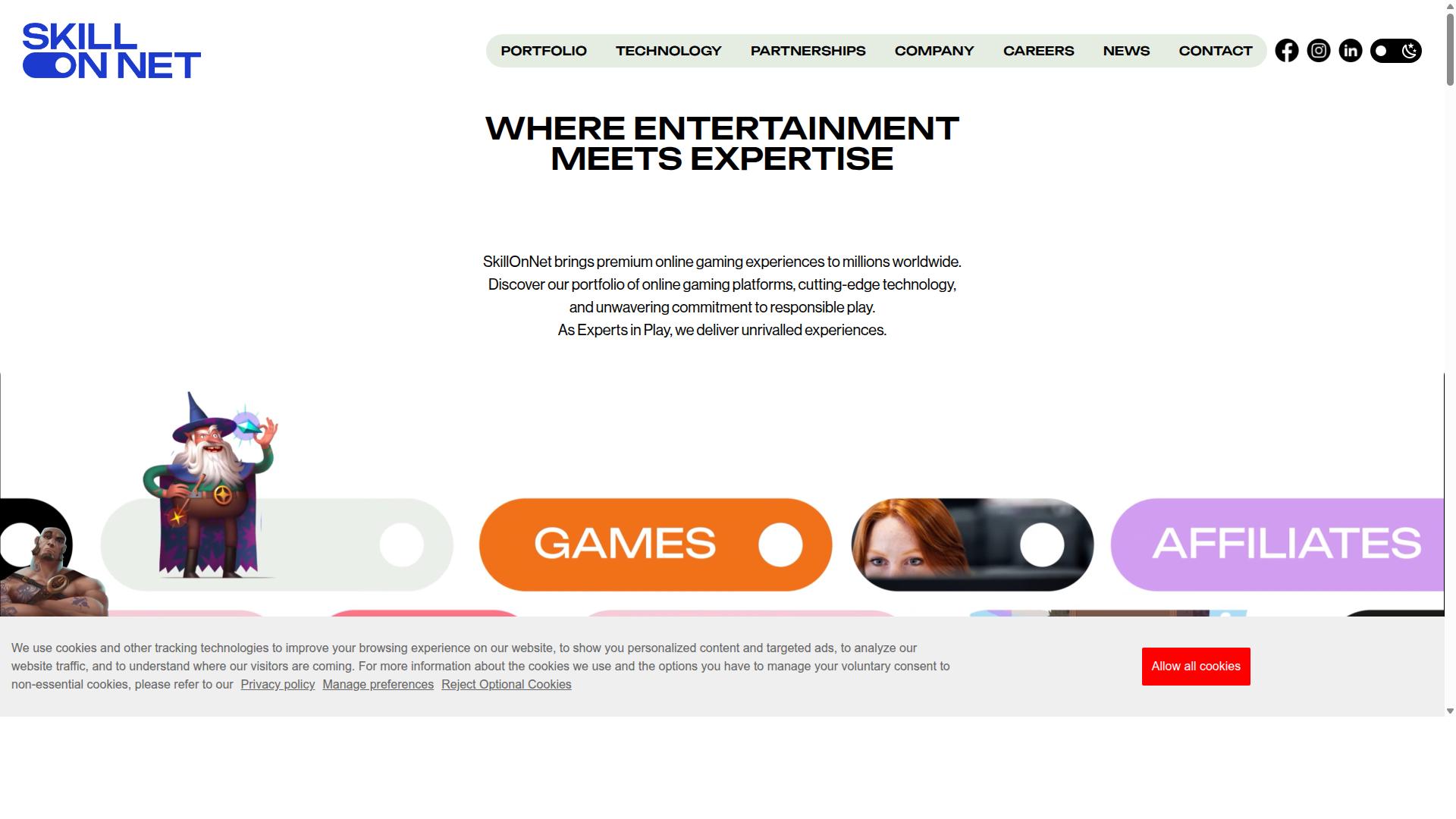
SkillOnNet is known for its flexible payment integration options, catering to fast-moving operators who need to quickly adapt to market trends and player preferences. The company provides a white-label platform that emphasizes speed-to-market, making it a practical choice for brands that want to launch without building infrastructure from scratch.
Operators in the iGaming space often face shifting regulatory landscapes and evolving player expectations. SkillOnNet's approach allows businesses to respond to these changes without overhauling their entire payment stack, which is a significant advantage in a competitive market.
For payment management in 2026, the platform's agility is its core selling point. Instead of locking operators into rigid systems, it supports a more iterative approach where payment methods can be tested, added, or adjusted based on what players actually use.
Flexible Payment Integration for Fast-Moving Operators
SkillOnNet allows operators to integrate new payment methods rapidly, thanks to its modular API and partnerships with multiple payment providers, enabling quick adaptation to regional demands. This design is particularly useful for brands entering new jurisdictions where local payment preferences differ sharply from their home markets.
Speed-to-market matters in online casino payments and sportsbook payment processing. Operators who can offer popular local methods, such as specific e-wallets or mobile payments, often gain an edge over competitors who rely on a generic set of options. SkillOnNet's structure supports this by making it straightforward to connect new gateways as they emerge.
The focus on flexibility also extends to the player experience. When a cashier feels familiar and offers trusted methods, players are more likely to complete deposits without friction. This reduces drop-off and supports healthier payment analytics over time.
For operators weighing their options, SkillOnNet represents a middle ground. It offers the structure of a managed platform while leaving room for customization in payment strategy. This balance appeals to teams that want to launch quickly but also plan to iterate on their payment mix as market conditions change.
How to Choose the Right Option
Choosing the right iGaming payment management platform requires a careful assessment of your scaling needs, launch timelines, and regional requirements to ensure alignment with your business goals. The platform that works for a single-market startup may not serve a multi-region operator with high transaction volumes. Your decision should reflect your current stage and where you expect to be in the next two to three years.
Start by defining your operational context. Are you a startup launching your first online casino, an affiliate network moving into white-label operations, or an established operator upgrading your payment stack? Each segment carries different priorities. Startups often need speed and simplicity, while established operators typically demand deeper customization and broader payment orchestration capabilities.
Budget is another decisive factor. Payment platforms charge through transaction fees, monthly subscriptions, or a combination of both. Estimate your projected monthly volume and compare how those fees scale. A solution that looks affordable at low volume may become expensive as your player base grows, so model your costs across multiple growth scenarios before committing.
Compliance requirements should shape your shortlist from the start. KYC compliance, AML regulations, and regional licensing rules vary significantly across markets. The platform you choose must support the documentation, monitoring, and reporting your target jurisdictions demand. Verify that the provider can handle these obligations without requiring you to build workarounds.
Kanggiten's target audience includes startups and entrepreneurs launching online casinos or sportsbooks, which can be a good fit for those segments. The platform also serves affiliate networks launching white-label operations and game studios expanding into new markets. If your business fits one of these profiles, Kanggiten is worth including in your evaluation.
Scaling Needs, Launch Timelines, and Regional Requirements
Assess your expected growth trajectory, how quickly you need to launch, and the specific payment methods and compliance rules for your target regions to narrow down the best platform. These three factors will eliminate most options before you ever schedule a demo. Work through them systematically rather than comparing features in isolation.
Scaling needs start with projected player growth and transaction volumes. A platform that handles 1,000 transactions per day may struggle at 100,000. Ask about settlement cycles, payment reconciliation tools, and whether the infrastructure can expand without requiring a migration. Your merchant account setup should also accommodate higher limits as your business grows.
Launch timelines determine how much setup complexity you can tolerate. If you need to go live quickly, look for platforms with streamlined cashier integration and pre-built connections to popular payment methods. Longer timelines give you room for deeper customization, but they also increase the risk of delays. Confirm the provider's typical onboarding duration and whether any regulatory approvals fall on your side.
Regional requirements cover local payment methods, currencies, and compliance rules. A platform with strong multi-currency support and cryptocurrency payments may serve international players well, while a domestic operator might prioritize bank transfers and prepaid cards. Check that the platform supports e-wallets, mobile payments, and open banking options where your players expect them.
Use this checklist when evaluating any platform against your needs:
- Does the platform support the payment methods your target regions require?
- Can it handle your projected transaction volume without performance drops?
- Are payment security, fraud prevention, and tokenization built into the core system?
- Does it offer payment analytics to track performance and player behavior?
- Will instant withdrawals or faster payout speed be possible with this provider?
- Does the platform support PCI DSS compliance and 3D Secure authentication?
- Can it manage chargeback management and encryption effectively?
Request demos from your shortlisted providers and compare how each handles your specific scenarios. Ask about biometric authentication, payment gateway reliability, and how the platform manages online casino payments and sportsbook payment processing differently. A demo should show you real workflows, not just a feature list. Kanggiten serves startups, affiliates, and game studios, which can be a useful consideration if your business falls into one of those categories.
Finally, weigh the player experience implications of each choice. The payment flow is often the last interaction a player has before deciding whether to return. A platform that supports fast, secure, and convenient transactions will improve retention. Take the time to test the cashier experience from a player's perspective during your evaluation.
Final Verdict
After comparing the top iGaming payment management platforms, Kanggiten emerges as the best overall choice for operators seeking a reliable, scalable, and comprehensive solution. The platform supports 50+ active brands, serves 3M+ players, and maintains an impressive 99.9% uptime record. With 20K+ games in its catalog, Kanggiten clearly understands the operational demands of modern iGaming businesses.
What truly sets Kanggiten apart is its approach to payment infrastructure. The platform offers pre-integrated payment solutions that remove the heavy lifting of connecting multiple payment gateways, e-wallets, and banking methods. This means operators can launch with a full suite of payment options without lengthy development cycles or complex middleware.
The modular design of Kanggiten makes it equally suitable for startups and established operators. New ventures can start with essential payment features and scale up as their player base grows. Larger operators benefit from the flexibility to customize payment orchestration, settlement cycles, and cashier integration to match their specific operational requirements.
Payment security and compliance remain top priorities for any iGaming operator. Kanggiten's platform supports the critical elements of payment security, fraud prevention, and KYC compliance that regulators and players expect. This includes alignment with AML regulations and PCI DSS standards, giving operators confidence in their payment infrastructure.
For operators evaluating their options, consider what matters most in 2026. Payout speed, transaction fees, multi-currency support, and cryptocurrency payment options all play a role in player satisfaction. Kanggiten's comprehensive approach addresses these factors through its unified platform, reducing the complexity of managing multiple payment vendors.
Ready to see how Kanggiten can transform your payment management strategy? Contact the team for a free consultation to discuss your specific needs. Reach out via email at [email protected], connect on Telegram at t.me/kanggiten, or message through LinkedIn. You can also meet Kanggiten in person at the SBC Summit Lisbon, September 29 to October 1, 2026, Hall 3, Booth C241, or at the HIPTHER Warsaw Summit on October 27-28, 2026.
Recommended Resources: